

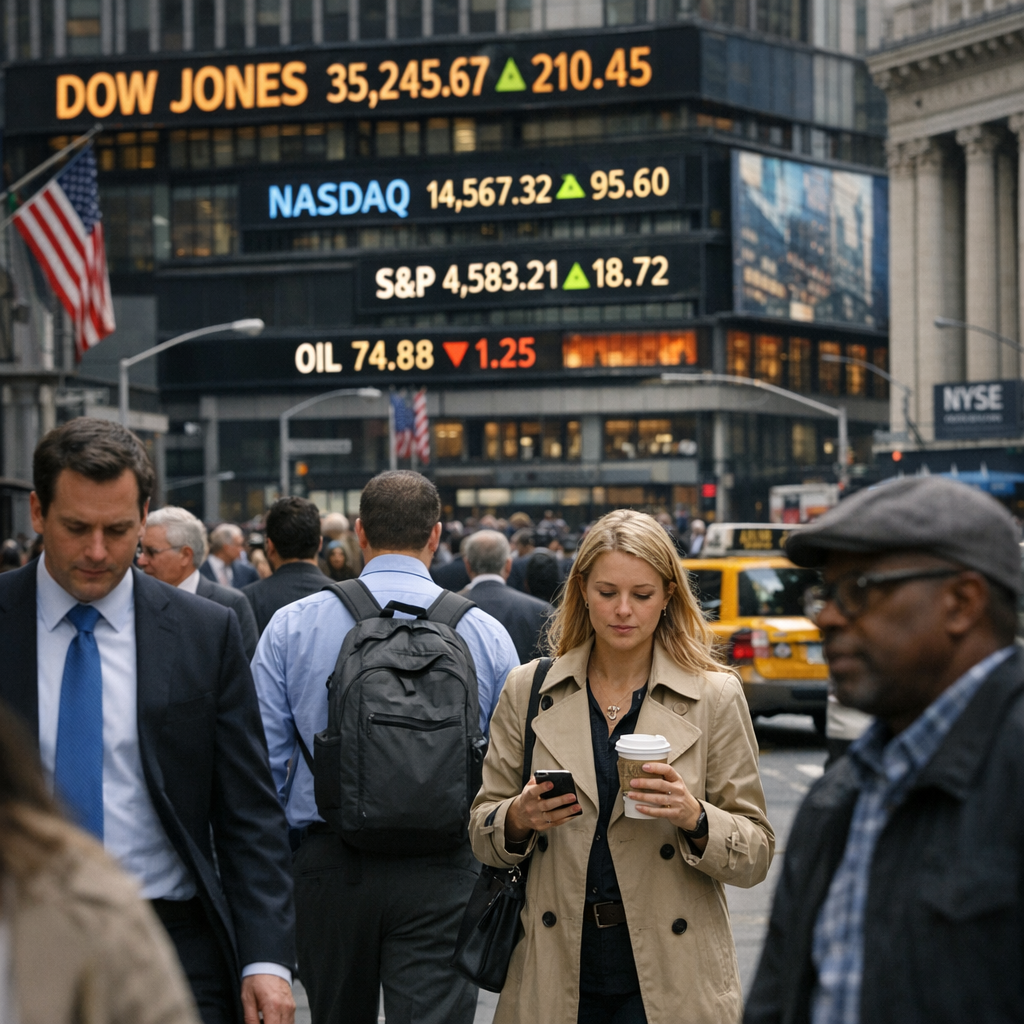
The U.S. economy is currently experiencing a period of moderate growth, with the first quarter of 2026 showing an annualized GDP increase of 2.1%, a notable improvement from the previous estimate of 1.6%. This uptick suggests a resilient economic environment despite various challenges.
Employment Trends
The labor market continues to add jobs, albeit at a slower pace than in previous years. While employment remains relatively strong, economists are closely monitoring for signs that higher borrowing costs may be affecting consumer spending and business investment.
Inflation and Federal Reserve Policies
Inflation rates have eased compared to their peak levels but remain a concern for policymakers. The Federal Reserve has maintained interest rates steady, adopting a cautious approach as it evaluates ongoing inflation trends and labor market conditions. Investors are particularly attentive to potential rate adjustments that could occur later in 2026.
Impact of Tariffs
Recent tariff implementations have introduced new dynamics into the economic landscape. The administration’s latest set of proposed tariffs could go into effect in July 2026, prompting businesses and consumers to brace for potential price adjustments and supply chain disruptions.
Housing Market Developments
In response to the housing affordability crisis, Congress is making progress on bipartisan legislation aimed at increasing the supply of homes. This initiative seeks to address the persistent underbuilding of housing, a major factor contributing to soaring housing costs.
As the economic landscape continues to evolve, staying informed about these developments is crucial for individuals and businesses alike.