

The U.S. economy has recently experienced a series of challenges, leading to increased public concern and debate over its trajectory.
Economic Indicators and Public Sentiment
Recent data indicates a decline in public confidence regarding the economy. A Gallup poll reveals that only 16% of voters believe the economy is performing well, while 75% feel conditions are deteriorating. This sentiment is reminiscent of early 2022 levels, when inflation peaked during the COVID-19 pandemic.
Factors Influencing Economic Perception
Several elements contribute to this economic outlook:
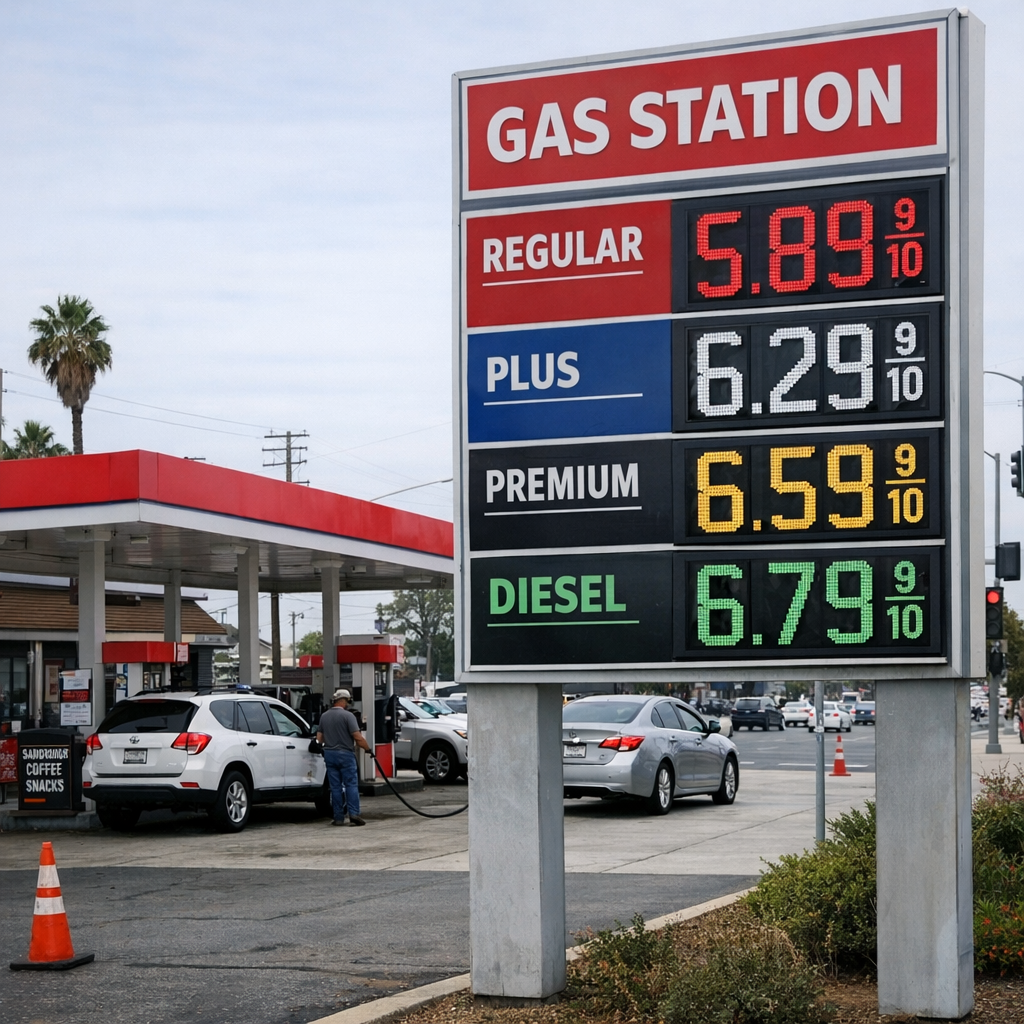
- Rising Energy Costs: The conflict with Iran has led to the closure of the Strait of Hormuz, causing gas prices to exceed $4.50 per gallon nationally.
- Trade Policies: The implementation of broad tariffs has reportedly cost the average American household $1,500 this year.
Political Implications
These economic challenges have political ramifications. President Trump’s approval rating has declined to 36%, the lowest since early 2021. Additionally, Democrats currently hold a nearly 7-point lead on the generic ballot for the upcoming midterm elections.
Looking Ahead
The administration maintains that its economic policies will yield long-term benefits as more reforms are enacted. However, the immediate impact on consumers and the broader economy remains a focal point for both policymakers and the public.