

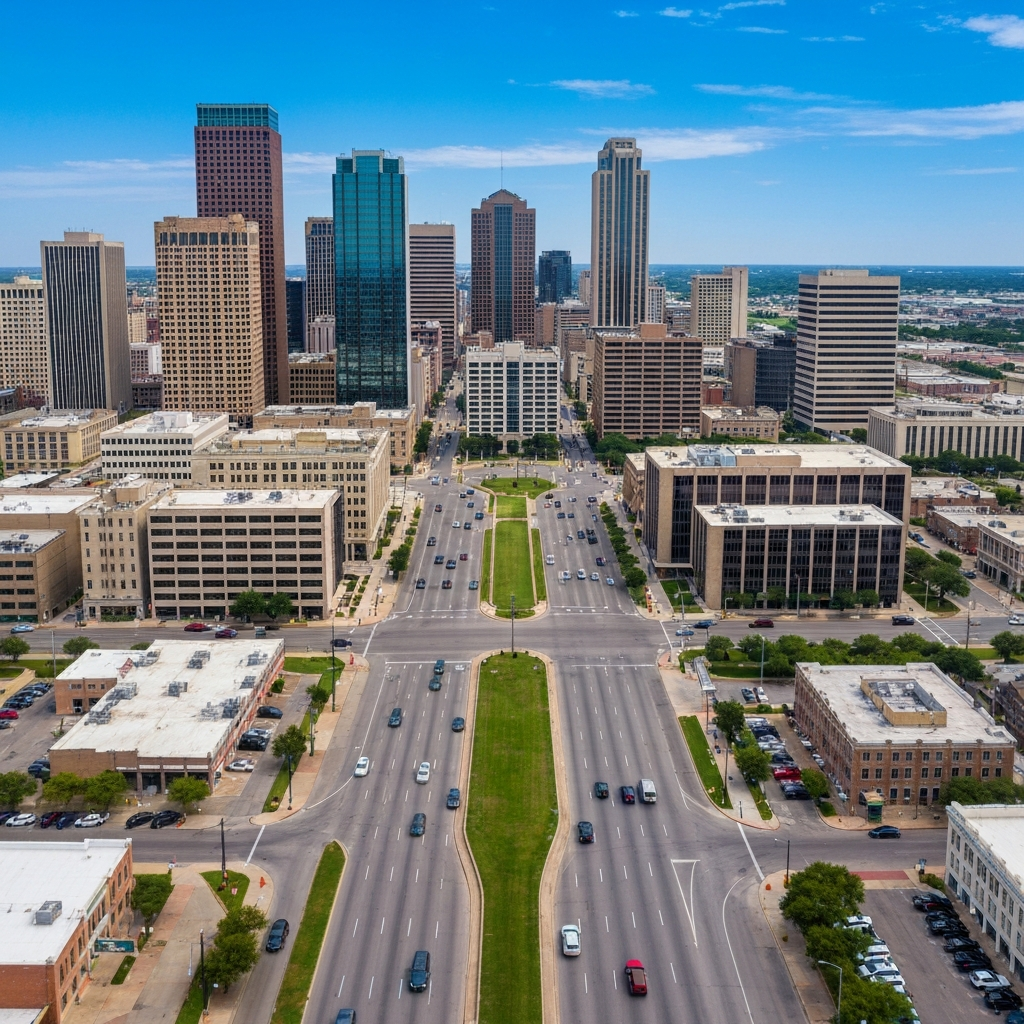
Fort Worth, Texas, has demonstrated remarkable economic resilience and growth, even as national policies and economic conditions fluctuate. This strength is evident in several key areas, including large-scale developments, tourism, and supportive legislative measures.
AllianceTexas: A Pillar of Economic Impact
One of the most significant contributors to Fort Worth’s economic landscape is AllianceTexas, a 27,000-acre master-planned, mixed-use development in north Fort Worth. Since its inception, AllianceTexas has generated an estimated $142.9 billion in regional economic impact, with $12.9 billion contributed in 2025 alone. This development is home to over 600 companies and directly supports more than 73,000 jobs, underscoring its vital role in the local economy. Source
Tourism: A Growing Economic Driver
Tourism has also played a crucial role in Fort Worth’s economic growth. In 2024, the city welcomed 11.5 million visitors, resulting in an economic impact exceeding $3.5 billion. This sector supports over 30,000 jobs and generated $251 million in state and local tax revenues. Without these funds, each Fort Worth household would need to pay an additional $750 in property taxes to maintain current service levels. Source
Legislative Support for Small Businesses
Recognizing the importance of small businesses to the state’s economy, Governor Greg Abbott signed several laws aimed at reducing barriers for small businesses in Fort Worth. These measures are designed to accelerate the process of starting a business and cut unnecessary government regulations, fostering a more business-friendly environment. Source
Fort Worth’s ability to adapt and thrive amid national policy changes highlights the city’s robust economic foundation and proactive approach to development and governance. By leveraging large-scale projects like AllianceTexas, capitalizing on tourism growth, and implementing supportive legislation, Fort Worth continues to strengthen its position as a dynamic and resilient economic hub.